Mastering Multiple POV in 6 Steps

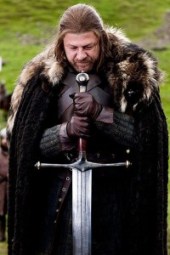
Eddard Stark
Eddard Stark

Multiple POV storytelling has a bad rap.

Sure, the practice of splitting a single narrative across multiple characters’ perspectives has a long history. And its popularity continues to expand as our society grows ever more distrustful of singular truth, in favor of individual realities.

But multiple POV writing is not without its critics—and some of them are quite loud. Many writers and readers complain about poor or confusing execution. Others cite their traditional literary tastes. Why hop between multiple character’s minds, they argue, when you could tell a story more simply through one pair of eyes?

Read more

The Benefits of Outlining: A Layered Approach

wizard writingThis article is by Steven M. Long.

Everybody outlines. The second a writer imagines one scene following another, that writer is creating an outline, even if the outline is incomplete and only in their head.

Referring to a novel writer as an “outliner” usually indicates someone who feels more comfortable with and sees the benefits of knowing – sometimes in great detail – where their novel is headed.

As you can probably guess, I outline, and over the time I’ve been writing novels (I’ve written four, two of them pretty good) I’ve been told repeatedly that I should just “let it go” and that I’m “ruining my creative process.” As often as not, these comments come from people who’ve never finished a novel.

Read more

10 Ways to Find Inspiration for Fantasy Writing

The elusive muse. Long considered dead by some, still widely sought after with hounds, nets, and harpoons by others, the concept of “invoking the muse” still lurks out there in the writers’ ether.

Inspiration can be fickle: it doesn’t always necessarily come when you want it. There are some tried and true methods for getting ideas and motivation to write. These have been discussed in multiple “killing writer’s block” and other such advice columns.

What I want to propose are ways to find inspiration for writing fantasy, some of which may be obvious and others not so much.

Read more

15 Alternative Steps to Better Writing

Writing_starOften writing advice comes at a price. You don’t always know what works and what doesn’t unless you actually put it into practice and get results.

I’m here to say that every situation is different. So understand that as a writer, it’s up to you to find out what works.

Below, I’ve presented 15 alternative ways to approach your writing. Despite many of them going against what other professionals may preach, I think you’ll find some wisdom in each step.

Read more

How to Spot Your Weaknesses as a Writer

There’s a question that crops up on writing forums a lot: how do I improve my writing?

And quite often, the most common advice is “read and write lots”. Which is perfectly fine advice. Knowing what’s good and practicing your craft are great ways to imrpove.

But there’s only so far that advice can take you. At some point you’re going to need to follow a third piece of advice:

Know your weaknesses.

By identifying weaknesses, you can work harder on improving that aspect of your writing rather than just practicing everything and hoping for the best.

Read more

TimeCraft – Squeezing the Most Out of Your Writing Schedule

My car radio is dead.

It doesn’t bother me much yet, because I have a couple things going for me: 1) A love of exercising my mediocre singing voice, and 2) a ton of stories I don’t have enough time to write.

While there are no doubt authorial aspirants whose schedules would make my own look positively spacious, I can say without exaggeration that I am currently a very busy person. It has been roughly one year since I decided to make a go of this “independent author” thing, and I’m going to stick with it. That means making my writing a priority, and finding ways to make progress regardless of difficulty. Here’s how I go about it.

Read more

How to Write a Query Letter

Writing a query letter is akin to going to a job interview. It’s your first chance to make an impression, and often times, it’s also your last.

It’s this philosophy, coupled with my experience as a recruiter, that leads me to want to put my best foot forward, knowing that I may never get another shot.

As a person who has conducted hundreds of interviews, I can only tell you that resumes with quirky fonts, or pages of meaningless, random facts about previous jobs, didn’t impress me any more than the people who showed up in sweatpants or hoodies to be interviewed.

Read more

Finding Strengths in Your Weaknesses as a Writer

The key to finding your way as a writer is to discover what kind of writer you are.

Are you the type that talks about writing but doesn’t really do it much? Are you the kind that works diligently every day, but always ends up deleting or scrapping the whole manuscript? Are you the perfect planner, but awful at execution? Or vice versa?

Finding your strengths and weaknesses as a writer can help you navigate your way along the path to being the perfect “you.” Sound flaky? Maybe, but the sooner you can chip away at your problems the earlier you can fix them.

I’d like to preface this by saying I’ve fallen into every one of these categories before.  So if any of these describe your current writing situation, I feel your pain.

Read more