


Film is a powerful medium for communicating, even on levels which we aren’t aware of. In watching a film, the viewer is able to take part in their own desires and conflicts, literally “projected” onto the screen in front of them. As a viewer’s perception works on the film, so too do elements of the film work on the viewer, playing off of their psychological histories, and even addressing unresolved issues from childhood. By examining elements of a film through a psychoanalytic lens, we’re able to gain a better understanding of the film itself.
To demonstrate how a psychoanalytic approach to film is possible, let’s examine Conan the Barbarian, a fantasy adventure film from 1982. The film follows Conan on his quest to avenge his slain family and reclaim his father’s sword.
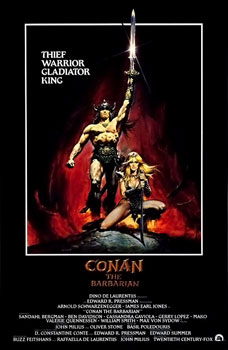
 In the summer of 1982 I had a life changing experience. Although I was underage, I accompanied my father to see the new epic fantasy Conan the Barbarian, starring Mr. Universe Arnold Schwarzenegger. While the film itself was amazing (especially the score), I was particularly impressed by its charismatic villain, Thulsa Doom.