Getting Published in the Fantasy Genre

5849686723_70de93ffa9_m1.jpg

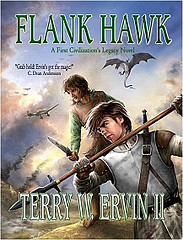
Flank Hawk

For every first time author, finding the right publisher for your novel can seem like an impossible feat.  I recently had the opportunity to chat with fantasy and science fiction author Terry W. Ervin II, whose debut novel Flank Hawk has received impressive reviews.  Terry was kind enough to share his own journey to publication with us.

How did you first become interested in writing fantasy, and at what point did you decide to write a novel and see it through to completion?

I became interested in fantasy around the 7th grade. My sister brought home The Sword of Shannara by Terry Brooks. I read it twice and was hooked on fantasy. A second novel that impacted me was The Broken Sword by Poul Anderson. It captured my imagination and made me wonder if I could write something like that. It never went much further than that, although I continued reading and playing fantasy RPGs.
Read more

Is Imitation Integral to Fantasy?

300px-Eragon_soundtrack2.jpg
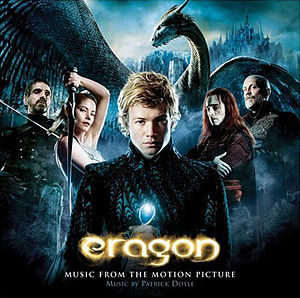
Eragon (film)
Imitation run amok?

As a twelve year old boy I resolved to write my first fantasy epic.  Through months of toil I hammered out a draft and set it aside. When I returned to it, I was surprised to discover just how unoriginal it was. The plot borrowed heavily from The Lord of the Rings, with strong shades of Star Wars. The dialogue and description sounded too much like C.S. Lewis. And worst of all, virtually every fantasy cliché surfaced at some point in the tale.

In other words, it stunk. But in retrospect, this was a necessary stage in my development as a writer.  Without consciously realizing it, I was imitating the masters – albeit poorly. But by imitating them I was learning how to write. Then, and only then, was I able to move forward and find my own voice.

Read more

Is Outlining for Hacks?

51EM2V1RX1L._SL300_51.jpg
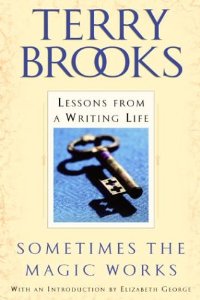
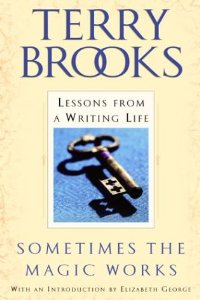
Cover of "Sometimes the Magic Works: Less...
Brooks vs. King

When I first began writing I would sit in front of the computer for hours, staring at a blank screen.  I hoped that inspiration would strike, but usually it didn’t.  So I would force myself to type something, praying that it would turn out to be half-decent.  Back then writing was a long, tortuous process.

And then I discovered outlining.

When I made a detailed outline in advance, writing became a breeze.  The outline served as a road map, reminding me where I was headed.  Because I knew that the story was going someplace worthwhile, I had the confidence to proceed at a brisk pace.  Writing was no longer painful.

So clearly outlining is a beneficial practice, right?  Stephen King disagrees.

Read more