Writing Warfare in Fantasy: A Guide to the Battle Scene

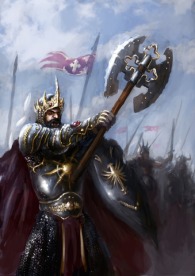
battlefieldFew words are as synonymous with mankind as War. As writers, war often influences the stories that we tell. People remember wars, people remember battles, and often these moments are when characters shine, plots reach the point of climax, and readers are drawn into a visceral experience that they won’t forget.

To write about war, to describe battle and it’s horrors, we must first have a basic grasp of this human creation. War is not a jaunt through a field of roses that leaves you smelling fresh on the other side, and should not be depicted as such. Understand war’s meaning first, and then write.
Read more

Writing Historical Fantasy – Interview with Ian Tregillis

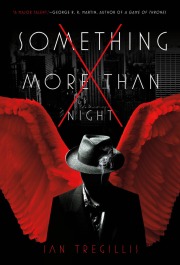
Something More Than NightIan Tregillis is the author of the Milkweed Triptych trilogy, and is a contributor to George R. R. Martin’s Wild Cards series.  His latest book is Something More Than Night, a noir urban fantasy detective story of fallen angels and nightclub stigmatics.
He joins us to answer questions on writing both historical fantasy and alternate history.

Your work is described as either historical fantasy or alternate history.  For readers who aren’t familiar with the differences between the two, could you explain how your work gains these descriptions?

I imagine that people who know me, or my background, must feel confused when they hear me described as a writer of historically influenced novels.  It surprises me, too, though I understand why it happens.

Read more

Adding Depth to a Fantasy World

fantasy worldWhen worldbuilding, writers tend to focus on topics such as magic systems, fantasy races, kingdoms, politics, and religions. These elements form the settings, the backdrops against which our stories take place.

But consider your world. Not the world you’ve created, but the one you live in.

What is important to you?  What aspects of your life do you take for granted?

Your world consists of things like your job, your family, your education, and your friends. It also includes the places you buy food from, or visit for entertainment.

It should be the same for your characters. They’ve got to eat and have fun too, so they’ll have places where they do those things or ways to do them.

Read more

Fight for What’s Right: Moral Causes in Fantasy Worlds

We all want our protagonists to be engaging and for our readers to root for them.  One way to achieve this is to give the protagonist a goal which the reader sympathises with.

For some, it is to save a life or find something of value. For others, it is to change the world, to pursue a grand cause and improve life for thousands of people.

But it isn’t always that simple.

What cause do you pick, and how do you make it relevant and believable?

Read more