Writing a Great Villain

Loki
Loki
Loki

When it comes to villains, we’ve seen the clichés.  Dark lords.  Psychopaths.  Petty super villains who kill their own henchmen.

We’ve also heard the advice.  Villains need personal goals.  Villains need depth.  Villains need to be the heroes of their own stories.

In my experience, conversations about villains get overshadowed by the question of whether a story is about good and evil, or the morally grey.  But as authors, we need to understand what that thematic choice means for developing our characters.

Do your villains embrace their villainy or attempt to justify it?

Knowing the answer to that question will help you create the character’s arc.
Read more

4 Elements of Epic Storytelling

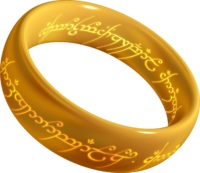
One RingWhen I’m immersed in fantasy, a trance envelopes me. There’s something about great fantasy storytelling that trumps all other genres in drawing me into the world and story.

Call me crazy, but I think I’m onto something here. And that something is the recipe for the domination of the imagination. Much like The Hero with a Thousand Faces, I think epic storytelling has a certain formula that can produce a killer product.

What is it that makes your heart plummet when the screen goes black after Master Chief detonates the nuke at the end of Halo 4?

What is it that makes you want to lend your back to carry Frodo up the slopes of Mount Doom?

What is it that makes your muscles tighten every time your hero takes a blow, as if you were the one receiving it?

Read more

The Human Beneath the Hero

Ellen Ripley
Ellen Ripley
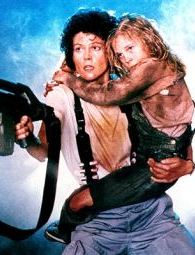
Ripley with Newt

A common trait of beginner fiction is that its protagonists are all – to use the technical term – “total badasses.” They have no appreciable sense of fear, pain, apprehension, or doubt. They take multiple drastic wounds without slowing down, are threatened with all manner of terrible fates without flinching, and always seem to know the right thing to do.

When we are young, we might mistake the lack of obvious signs of these emotions for the lack of the emotions themselves – few of us possess enough discipline at an early age to conceal fear and pain, and thus have trouble understanding the concept. As we grow older, though, we realize that other people feel these things as well – even the ones who rarely show it.

Read more