
The Perilous and Wondrous Realm of Faërie

J.R.R. Tolkien
J.R.R. Tolkien
J.R.R. Tolkien

This article is by Anne Marie Gazzolo.

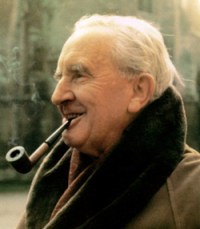
In the essay, “On Fairy-Stories,” J.R.R. Tolkien speaks of a subject close to his heart. He had a life-long interest in and love for the genre, and approaches the topic as an author.

According to Tolkien, fairy-stories allow us as readers and authors to experience what he calls recovery, escape, and consolation. In our broken world, we need all three.

Such affords us the opportunity to profoundly change the way we view ordinary things and life itself.
Read more

The Real Power of Fantasy Writing

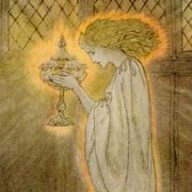
The Holy Grail

This article is by Darren Andrews.

Fantasy can be a potent form of writing if you understand how to use symbolism and maintain the inner consistency of reality.

J.R.R. Tolkien, perhaps the greatest of all fantasy writers, observed that “the realm of fairy-story is wide and deep and high and filled with many things…” (“On Fairy- Stories”, Tree and Leaf, p. 9).

Fantasy literature is purposely imaginative. The author of fantasy has the ability to engage the reader’s imagination more powerfully than the author of another genre – if it is done correctly. High fantasy has a very clear purpose in doing this: it is to take the reader on a journey to reaffirm certain principles of good and evil, of morals, of the spiritual and unseen. Fantasy breaks free of any attachment to political correctness or populist thought.

Read more