


How to Plan Your Character’s Arc

This article is by S.H. Mastersmith. A character’s arc refers to the journey a character goes through, and the changes and self-discoveries they make along the way. The character starts the story with certain thoughts and morals (or lack thereof) and through a series of events, those thoughts and morals are changed, for better or … Read more

4 Keys to Writing Archetypal Characters

This article is by Alanna J. Jordan. As a fiction author, archetypes can be a powerful tool in your writing arsenal. Archetypal characters draw upon the human psyche, enabling you to write characters who are instantly recognizable. But as with any other tool, archetypes can be overused or badly bungled. Here is some advice on … Read more

Writing Better Villains

This article is by Vincent Langford. So, you’ve just started planning your book and everything seems to be going smoothly. You’ve created a cool main character, you’ve fleshed out your world, and – best of all – you know exactly where you want your story to go. But as you sit down to start churning … Read more

Applying the Myers-Briggs Type Indicator to Fictional Characters

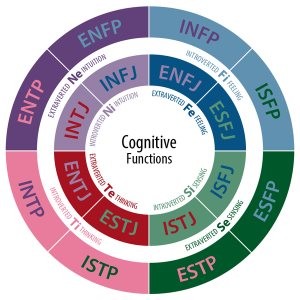
Cognitive FunctionsThis article is by Sara C. Snider.

For those who don’t know, the Myers-Briggs Type Indicator (MBTI) is an assessment tool created by Isabel Briggs Myers and her mother, Katharine Briggs, as a means of understanding and making accessible the different psychological types theorized by Carl Jung.

The result of this tool is the collection of 16 different personality types, based on four different sets of preferences one leans towards in everyday life: Extraversion (E) or Introversion (I); Sensing (S) or Intuition (N); Thinking (T) or Feeling (F); Judging (J) or Perceiving (P).

Read more

Naming Your Characters – 4 Quick and Dirty Tips

This article is by Terrie Quincey.

namelessNaming your characters is often step one in the writing process. Don’t let it hold you back. Create names using these quick tips so you can move on with your story.

1. Consider Ancestry

This is a useful tool to get the ball rolling. Does your character have an ancestry in your mind? You can look up a list of names from that background and see if any seem like what you’re looking for.

If nothing else, this is a good way to narrow your options if you’re struggling. This can be true of characters that come from a distinct ethnic background.

Read more

Memorable Characters and Their Flaws

character masksEvery reader has a certain character whose name, when mentioned, elicits a reaction. Those heroes we cheered on, those antagonists we hated with a passion—we know their worlds and their likes and dislikes.
We understand and humanize them, and wish we could invite them over for pizza-and-poker night. Or we curse the gods that we can’t find a doorway into their worlds, so as to open a can of whoop-ass upon them.

But what is it about these particular characters that makes them unforgettable?

Read more

How to Write Captivating Villains

This article is by Anne Marie Gazzolo.

Andy Serkis as Sméagol

There would be no Lord of the Rings without the title character and the galaxy far, far away would certainly be less dramatic without Darth Sidious.

But the most interesting villains are those who are more than just plain evil. Darth Vader in Return of the Jedi is more complex than he was in A New Hope. Sméagol-Gollum holds more fascination than Sauron.

For your own villain to have more dimension, there should be something if not lovable at least likable or pitiable that tugs at our heartstrings, keeps us guessing what will happen to him, and even hope for his redemption.

Read more