
Beauty in Simplicity

800659391.jpg
Stephen King
Stephen King

What does fantasy writing have in common with the culinary arts?

One of my guilty pleasures is watching BBC’s Kitchen Nightmares with host Gordon Ramsey.  In each episode Chef Ramsey visits a restaurant on the brink of ruin, and attempts to salvage it.  In most cases the restaurant features a chef who is highly trained and talented.  Yet it is this very same chef who is responsible for the restaurant’s failure.

In one episode Chef Ramsey visits a French restaurant in Scotland.  The head chef was a rising star in his native France, where he studied with the masters.  So why was his current restaurant in dire straights?

Because his entrees were far too complex.
Read more

Fantasy Writing and the Spiritual Quest

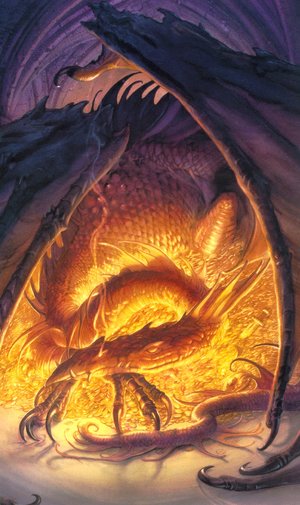
Smaug from Tolkien's The Hobbit, as illustrate...
Smaug

Many fantasy writers experience our craft as being more than a hobby, or even a career choice.  For us, it is a calling.

On my tenth birthday I received a precious gift: a hardback edition of The Hobbit, illustrated by Michael Hague.  This marked my first foray into fantasy literature, and it irrevocably touched my life.

Upon discovering Tolkien I experienced a new realm of possibilities. While clearly fictional, the world which he described had a distinctive aura of truth to it. It was a place of magic, where unseen power filled every aspect of life. Although my mind told me differently, my heart recognized something very real.

Read more

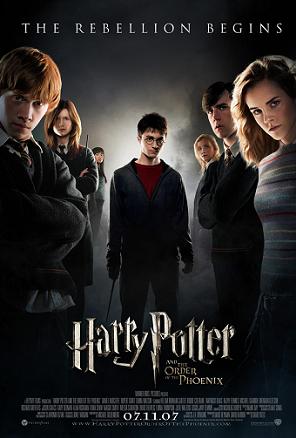
Harry Potter and the Cauldron of Expectations

Harry Potter and the Order of the Phoenix (film)
Harry Potter and the Order of the Phoenix

When the first Harry Potter books were published I didn’t bother to read them.  I saw the films, but they didn’t strike me as especially significant.  Yes, they were full of magic and wonder.  But I failed to perceive anything of lasting substance. I dismissed Harry Potter as a fad.

Yet as the series progressed, so did the depth of storytelling.  By the time that I read Harry Potter and the Deathly Hallows, I had become a believer.

But I didn’t begin reading the books until Deathly Hallows was released.  Why?  Because friends kept telling me that the books were superior to the films.  That’s not unexpected, as fans of any series would make similar claims.  But what struck me as unusual was that these friends had a decidedly different viewing experience of the films than I did.

Read more

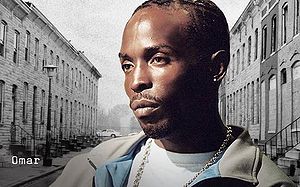
Lessons From The Wire: Character Development and Contrast

Omar Little
Image via Wikipedia

I’ve been catching up on The Wire, a crime drama which ran on HBO for five seasons.  It’s one of those special shows that you must watch from the beginning in order to appreciate.

A number of critics have hailed it as “the best show ever.”  After watching the first three seasons, I’m inclined to agree.  The Wire is spellbinding.  As masterfully written by series creator David Simon, the story unfolds as if it were an epic novel, not a television show.  Writers from all genres and mediums can learn something from studying this series, for The Wire is storytelling at its finest.

Read more

Are Magic Systems a Distraction?

spell compendiumA fellow writer shared his dilemma with me.  He and his partner were starting a new project, and had invested much time in developing a magic system.  He had shared it with me before, and I was intrigued by their original spin on magic and spell-casting.

But then something happened.  While flipping through the channels, they came across a television series in which characters were using magic.  And to my friend’s horror, they were using virtually the same magic system that he had just spent months developing.

Understandably, this felt like a major setback.  But was it?

Read more

How to Design Your Diabolical Cult

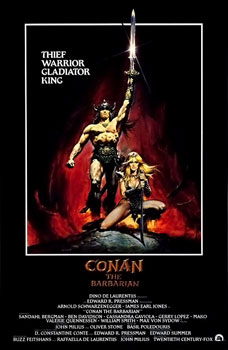
conan_the_barbarian1In the summer of 1982 I had a life changing experience.  Although I was underage, I accompanied my father to see the new epic fantasy Conan the Barbarian, starring Mr. Universe Arnold Schwarzenegger.  While the film itself was amazing (especially the score), I was particularly impressed by its charismatic villain, Thulsa Doom.

As portrayed by James Earl Jones, this Thulsa Doom wasn’t the grotesque necromancer from the Robert E. Howard stories.  Instead, he was an appealing and persuasive speaker with the power to control the masses.  When he spoke, people obeyed him – even eagerly jumping to their death at his command.  He was, in short, a cult leader.

Read more