TimeCraft – Squeezing the Most Out of Your Writing Schedule

My car radio is dead.

It doesn’t bother me much yet, because I have a couple things going for me: 1) A love of exercising my mediocre singing voice, and 2) a ton of stories I don’t have enough time to write.

While there are no doubt authorial aspirants whose schedules would make my own look positively spacious, I can say without exaggeration that I am currently a very busy person. It has been roughly one year since I decided to make a go of this “independent author” thing, and I’m going to stick with it. That means making my writing a priority, and finding ways to make progress regardless of difficulty. Here’s how I go about it.

Read more

The Mythic Archipelago – A Community Worldbuilding Project

Click to see full map.

The sailors have had a long, hard voyage. Their shipmates have succumbed to sickness, sea monsters, and savages along the way. There are just enough of them left to keep sailing – and they do, for the cargo in their hold will make them all wealthy. As the sun burns the mists away from the sea-cliffs, they catch a glimpse of your isle.

Do they find civilizations to trade with? Do they find a deserted island with naught but trees and animals? Do they find a remote home of horrors, full of monsters that devour passers-by? Do they find pirates and conquerors, or artists and merchants?

Only you can decide.

Read more

The Human Beneath the Hero

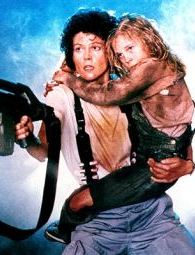
Ellen Ripley
Ellen Ripley
Ripley with Newt

A common trait of beginner fiction is that its protagonists are all – to use the technical term – “total badasses.” They have no appreciable sense of fear, pain, apprehension, or doubt. They take multiple drastic wounds without slowing down, are threatened with all manner of terrible fates without flinching, and always seem to know the right thing to do.

When we are young, we might mistake the lack of obvious signs of these emotions for the lack of the emotions themselves – few of us possess enough discipline at an early age to conceal fear and pain, and thus have trouble understanding the concept. As we grow older, though, we realize that other people feel these things as well – even the ones who rarely show it.

Read more

Know the Rules. Understand the Rules. Break the Rules.

When it comes to writing, I like to say that there are no rules. However, that is not entirely accurate. There is one rule:

  1. Use What Works
  2. Weren’t you listening? One rule! That’s it!

This is a pretty obvious rule, assuming your goal is to write something that other people want to read.

If that isn’t your goal, then you would want to use what didn’t work… which, remembering your goal, would work. Which means you’re still the following the rule. Hrm.

My head hurts.

In the context of creative writing, rules are – as a certain pirate captain might say – really more like guidelines. Use them when they work and ignore them when you have enough reason.

Read more