Once Upon a Time and Pancakes

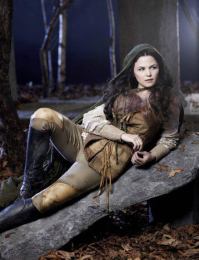
Ginnifer Goodwin as Snow White

Science fiction and fantasy feed my mind and soul the way that pancakes feed my belly. And, I crave them just as much if not more.

When something in these genres comes about that especially moves me (or, I believe will move me), I live tweet on Mythic Scribes about it. I knew Once Upon a Time would be my spiritual version of cinnistack pancakes from IHOP when I first saw the commercials for it with “from the writers of Lost” appended to the end.

Once Upon a Time was a very risky move. Fantasy and Science Fiction is a genre that rarely makes it on prime time television. For every series that makes it, there are many that don’t. For this reason, it’s hard to get a series in those genres even green lit. Add to that the fact that it’s an adult series about fairy tale characters, and things get even more challenging.
Read more

Skyrim: A Fantasy Writer’s Perspective

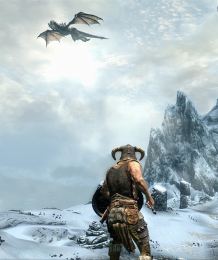
Many of us stood in line on a brisk November night, waiting to get our hands on the game that would enslave us to our PC’s and consoles for days to come. The Elder Scrolls V: Skyrim went on to be named the 2011 Game of the Year, and countless players lost themselves within this fantasy world.
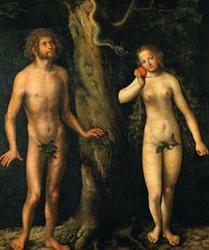
While most players were swept away by the gameplay, the fantasy writer in me was constantly analyzing every aspect of Skyrim, from the storyline to the world and the creatures within it. Such is the nature of the fantasy enthusiast.

I also had very high expectations for this game, after being wowed by Oblivion for years. This is my view on what I saw, and what I would have liked to have seen, in the world of Skyrim.

Read more

Why Plot Clichés are a Good Thing

This article is by Dr John Yeoman.

Every plot is a cliché, isn’t it?

According to Christopher Booker, there have been only seven basic plots since the dawn of story telling, although Georges Polti expanded the total to 36. No good plot is original because successful stories evoke one or more of the Seven Deadly Sins.  (It seems humans are not clever enough to think of any fresh ones.)

Every one of the 3000+ tales I’ve judged at the Writers’ Village story contest have been grounded in a plot cliché. Yet some stories were spectacularly fresh. How come? Their writers had added a clever new twist, dropped in sensibility or played creatively with the cliché. Here’s how to do it:

Read more

Using Fantasy to Enhance a Story

Even when the characters’ adventures are fantastic, a good story should have an emotional core which is personal, drawing from common human experience to help readers connect with our characters.  A story written in this way needs little imagination to prop it up. Which is why, in my efforts to write fantasy, I’ve been asked:

If a story is universal, why do you need the magic?

Magic comes with the price of a built-in distance between your events and your reader which can keep you from achieving the potential of your story. Guarding the passageway to an important official, I can hint at the terror of a pair of trolls, or I can connect readers directly to the fear of two condescending and semi-sadistic guards. I can wound my character with the blast of a fireball from a distant wizard, or I can bring my readers the terror of being knifed by a killer.

Read more

Assessing Your Writing – How Do You Know When It’s Good?

As writers, we ask ourselves this question at one time or another: How can I tell if my work is good?

This is the wrong question. The right question is, “How can I tell if my work is good enough to accomplish my goal?” And that, of course, depends on what your goal is.

If your goal is to sell a novel to a Big Six publisher, you’re going to have a very different standard than if your goal is simply to entertain a small audience on the Internet, or even if your goal is simply to finish NaNoWriMo.

If you’re writing a novel with the goal of finding an established publisher, then the novel only has to be able to impress at least one editor enough that she is willing to give you a contract.

So how can you tell if it’s good enough for that to happen?

Read more

The Impatient Writer’s Guide to Getting Published

Tired of waiting months, weeks, or even days to hear back about your manuscript? Is that 500,000 word door-stopper just desperate to get immediate feedback? Do you like fast food, Twitter, and teleportation?
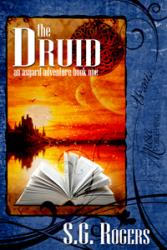
For those of you that want feedback from an editor yesterday, this is your guide to immediate success. Until recently, I’d never been published, but it wasn’t because of lack of talent. It was because I didn’t use these steps to woo the editors over. Now that I’ve done so, I finally got my short story collection, “Stories that Start in Inns,” published. Go buy it! Now!

You too can pursue your publishing dreams. Just follow these five easy steps and wait for the money to roll in!

Read more

Welcome To My Worlds – One Author’s Approach to Building Fantasy Worlds

This article is by S.G. Rogers.

I’m a fantasy author who enjoys building worlds.  Perhaps my interest in world-building stems from the wonderment I feel in the presence of beauty.  Magic exists in the waterfalls of Brevard County, North Carolina, the stunning views at Big Sur, and the Carlsbad Caverns, New Mexico.  Magic radiates from the paintings of Michelangelo, the castles of Europe, and the sculptures of Bruno Torfs in Australia.  When I experience this magic, I feel compelled to communicate my sense of awe in the stories that I write.

I’ve sold eight fantasy manuscripts so far on the strength of my world-building, with two sequels in the works.  Although each project has its own unique challenges, my approach to world building involves a few common principals.

Read more

Flash Novels: The Future of Fantasy Fiction?

flash fiction
flash fiction
Bigger Isn't Always Better

This article is by Leif G.S. Notae.

What if I told you that I could condense The Lord of the Rings or A Game of Thrones into less than 25,000 words? You’d think that I was crazy.

I assure you, this is not my intention. However, it is possible.

Flash fiction, which is a style of writing that emphasizes extreme brevity, is becoming increasingly popular.  While it has been around for years, it has recently been garnering respect in literary circles.  Even conventional novelists find it useful to experiment with flash fiction, as it challenges them to approach writing in new and creative ways.

Read more