Is Black and White Fantasy Dead?

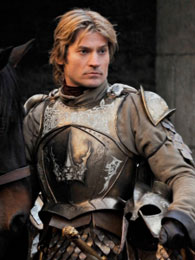
Jaime Lannister from Game of Thrones
Jaime from Game of Thrones

Is black and white dead?

No, I’m not talking about film.

With the recent surge in popularity of George R. R. Martin’s A Song of Ice and Fire series (a.k.a. Game of Thrones), fantasy as a genre has gained a new audience. Even those who have not ventured into fantasy before can easily find themselves engrossed in the world of Westeros.

Why is this so?

Typically, fantasy has been known for depicting the struggle between good and evil – a trope that, while tried and true, may be too conventional for today’s audiences. There, I said it.

Read more

10 Ways to Find Inspiration for Fantasy Writing

The elusive muse. Long considered dead by some, still widely sought after with hounds, nets, and harpoons by others, the concept of “invoking the muse” still lurks out there in the writers’ ether.

Inspiration can be fickle: it doesn’t always necessarily come when you want it. There are some tried and true methods for getting ideas and motivation to write. These have been discussed in multiple “killing writer’s block” and other such advice columns.

What I want to propose are ways to find inspiration for writing fantasy, some of which may be obvious and others not so much.

Read more

From Serviceable to Memorable: 5 Principles for Dialogue That Delivers

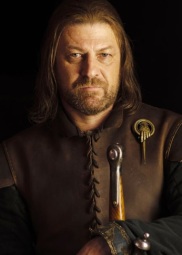
Ned Stark
Ned Stark

For my “writer self,” cracking (or clicking) open a new fantasy novel is one of the most exciting ways to spend my free time.

It’s also one of the most terrifying.

After all, I don’t really know what I’ll find inside, and encountering a badly-crafted story is more than disappointing. It’s downright painful.

I’m sure you could name many issues that hamper your literary enjoyment, but for me, one the biggest is subpar dialogue. I encounter it in books both traditionally and self-published. The story concept may unique, and the plot clever. The prose may even be compelling, well-paced, and active. Overall I’m intrigued…

Until the characters open their mouths.

Read more

Target Editing – A Time-Saving Strategy for Writers

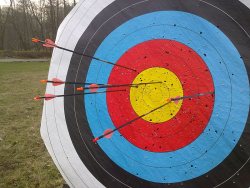
Target For me, editing was the worst part of writing, which is why I never did it.

In an attempt to turn editing into a more manageable process, I have combined two of my favorite hobbies into one theory, which I call “Target Editing.”

I compare editing to archery.

Archery is a wonderful sport. It takes very little skill to get mediocre at it, and your output is directly influenced by the amount of practice you put in.  Sound familiar?

Read more

Fantasy Weapons – the Good, the Bad, and the Ugly

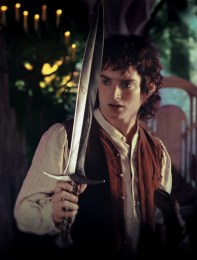
Frodo with Sting
Frodo with Sting

In fantasy, weaponry is something we’ve come to expect to see.  There are wars, battles, even personal fights against a single rival, and that means the combatants need something to fight with. Sometimes fists are enough; sometimes magic is used. But the rest of the time, there are weapons.

One thing fantasy weapons sometimes come under fire for, especially swords, is that they’re all fancy pants spikes and dragon motifs and not a huge amount of practicality.

Below is a catalogue of some weapons you might have read about in fantasy, looking at what makes them good or bad in different ways.

Read more

The Mythic Guide to Characters is Now Available!

The Mythic Guide to Characters
Click to View on Amazon

I’m thrilled to announce that The Mythic Guide to Characters is here!

I began planning this book in the summer of 2012, after spending five years studying the workings of the unconscious mind.  As a professional academic, I had become fascinated with how the unconscious drives so much of human behavior.

This gave me the idea of designing a new approach to writing characters, one that is based on the concept of “layers.”

This method starts with the unconscious mind, which is the first and deepest layer of each character, and moves outward.  The end result is characters who are driven by longings and fears that they aren’t consciously aware of… just like real people.

Read more

15 Alternative Steps to Better Writing

Writing_starOften writing advice comes at a price. You don’t always know what works and what doesn’t unless you actually put it into practice and get results.

I’m here to say that every situation is different. So understand that as a writer, it’s up to you to find out what works.

Below, I’ve presented 15 alternative ways to approach your writing. Despite many of them going against what other professionals may preach, I think you’ll find some wisdom in each step.

Read more

Transforming a World Into a Setting

Every time I ask other fantasy writers a question about the worlds I create, one of them will inevitably respond, “What does this matter to your story?”

That’s because many new writers, influenced by roleplaying games and the illustrations featured in our favorite fantasy novels, are prone to view worldbuilding as filling in the gaps on a map, cataloging the monsters, or finding new ways to justify fireballs. But these details alone do not create immersion.

Hobbyists build worlds. Authors build settings.

Read more