
 This article is by Jacob Gralnick.
How do you convey an entire idea, feeling, or characteristic without saying a word?
The same way you can foreshadow a future event in subtle passing, and you can do that with a little nifty thing called symbolism.
Used correctly, and at the right time, symbolism can add meaning and depth to your writing on the subconscious level and propel a simple passage to one that rivals bestseller and Hollywood quality scenes.
The best part: it’s as simple as whittling.

 This is the fourth entry in my Cover to Cover series which follows a story idea from inception until potential publication.
 Every reader has a certain character whose name, when mentioned, elicits a reaction. Those heroes we cheered on, those antagonists we hated with a passion—we know their worlds and their likes and dislikes.
 You can keep your Excaliburs, your Brisingrs, your Glamdrings, and, yes, your lightsabers. I need a weapon that’s going to put some hair on my chest, allow me to converse with bears, send a wet streak down my foe’s leg, and, well, practically speaking, take out that knight in full plate and chain.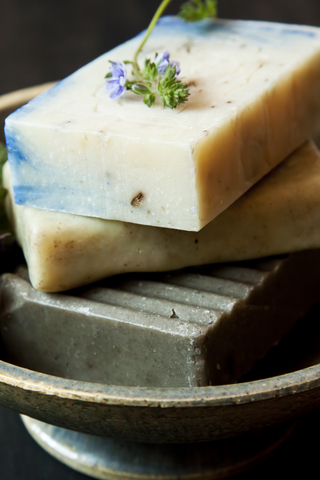
 Recently, I took up the hobby of soaping, which, as you might guess, is making soap. There are three ways of making soap: hand-milled, cold process, and hot process.
 This article is by Julian Saheed.
 If you’ve done National Novel Writing Month (
 Surprising a reader requires that an author think differently from others. As I mentioned in my